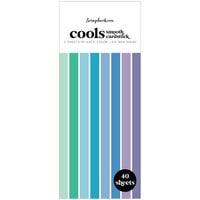
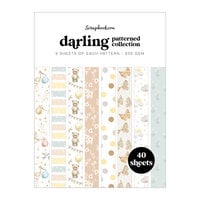
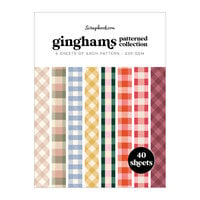
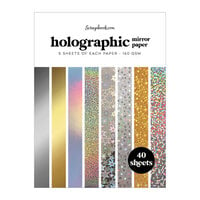
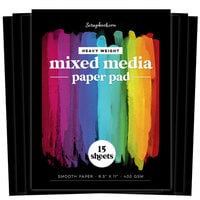
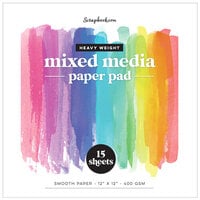
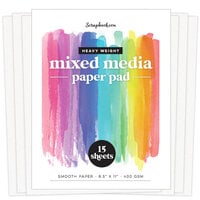
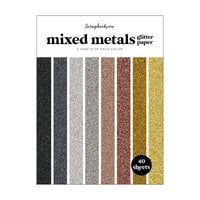
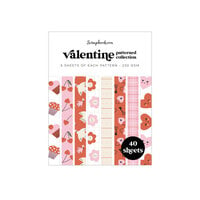
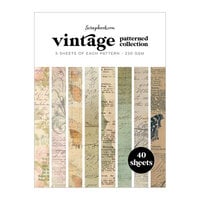
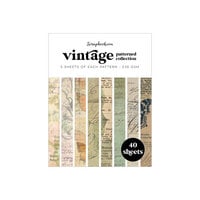
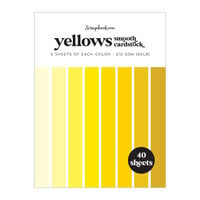
If you’re new to scrapbooking, paper can feel like a whole world of its own. Patterned paper, cardstock, vellum, acetate, paper pads, paper weight, GSM… it’s exciting, but it can also be confusing.
This guide is your starting point; a beginner-friendly overview of what scrapbook paper is, why it’s different from regular paper, and how to choose the right kind for your projects. Along the way, you’ll find links to deeper guides (like paper weight and paper types) so you can keep learning without getting overwhelmed.
What Is Scrapbook Paper?
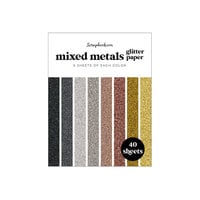
Scrapbooking paper is an all-encompassing term for papers designed for scrapbooking and paper crafting. It includes everything from patterned paper and cardstock to vellum, acetate, kraft, and more.
Unlike standard printer paper, craft paper is typically made with papercrafters in mind. It’s often more durable, comes in creative finishes, and is frequently acid-free to help protect photos and keepsakes over time.
If you’d like the bigger “paper world” overview (paper basics, terms, types, and how it all fits together), head to this article: Everything You Need to Know About Paper.
Common scrapbook paper sizes
The most common sizes you’ll see in scrapbooking and card making are:
- 12" x 12" (classic scrapbook layout size)
- 8.5" x 11" (great for albums, printers, and cardmaking)
- 6" x 6" (popular for paper pads and smaller projects)
- Specialty sizes like A2 (4.25" x 5.5") and Slimline for card fronts

How Scrapbook Paper Is Made (And Why Crafters Care)
Knowing how paper is made helps explain a lot of “mystery” moments in crafting—like why one patterned paper takes ink beautifully, why another smears, or why some sheets buckle the second they meet wet glue.
A quick (and fascinating) history
Long before today’s paper mills, people were creating writeable surfaces from plants. One early example was papyrus, made from a water plant that grew near the Nile River thousands of years ago. Later, paper-making was refined in China around 105 A.D. using plant fibers and recycled materials like old rags and nets—setting the foundation for how paper is made today.
The modern paper-making process
Most scrapbooking paper—whether it’s cardstock, patterned paper, or specialty paper—starts with fiber. That fiber usually comes from wood pulp, recycled paper, or a blend of both.
Here’s the basic process:
Fiber becomes pulp → The fiber is broken down and mixed with water until it becomes a thick, soupy mixture called pulp.
Pulp is formed into sheets → The watery pulp is spread in a thin layer onto a moving screen. As it travels, water drains away and the fibers begin bonding together.
Pressing + drying → The damp sheet passes through rollers that press out more water and dry the paper.
- If the paper is pressed with heat, it tends to become smoother and denser.
- If it’s pressed without heat, it often retains more texture and “tooth.”
Finishing steps (this is where scrapbooking paper gets special) → After drying, manufacturers decide whether to add treatments that change how the paper looks and performs:
- Coatings (for sharper printing and different sheen levels like matte or glossy)
- Sizing (to control absorbency and reduce ink bleeding)
- Texturing (so the surface feels like linen, canvas, watercolor paper, etc.)
- Color + print layers (especially for patterned and specialty papers)

Why crafters care
Those manufacturing choices directly affect how your paper behaves:
- Crisp printed patterns usually come from papers that are smoother or coated.
- Ink blending and stamping results depend on how absorbent the surface is.
- Warping or buckling often happens when thinner or more absorbent papers meet liquid glue, paint, or water.
- Texture impacts everything from the look of a background to how well tiny die-cut details adhere.
In other words: paper isn’t just a pretty design, it’s a material engineered to behave a certain way, and understanding that makes choosing the right sheet so much easier.

Paper Finishes and "Feel"
Paper isn’t just about color and pattern, the "finish" affects how it behaves.
Coated vs. uncoated
- Coated papers are often smoother and can show crisper printing (common for patterned scrapbook paper)
- Uncoated papers are often more absorbent and can be better for certain inks and mediums
Hot press vs. cold press
This matters most if you’re using watercolor, ink blending, or wet mediums.
- Cold press → more texture (“tooth”), absorbs water well
- Hot press → smoother surface, less absorbent
Glossy, matte, satin, dull Finishes
The finish of a paper refers to how the surface looks and feels. This directly affects shine, color vibrancy, and how the paper behaves when you write, stamp, ink, or glue on it. Choosing the right finish can make your project easier and more successful. If you plan to do a lot of handwriting or stamping, matte or dull finishes will feel more comfortable. If your goal is bold color and high visual impact, glossy or satin papers may be the better choice.
Glossy
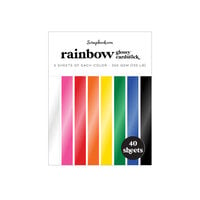
Glossy paper has a shiny, reflective surface. Colors appear bright, bold, and highly saturated, which makes glossy paper popular for vibrant patterned designs and photo-style prints. Because the surface is slick, ink and pens may take longer to dry, and writing can smudge if you’re not careful. Glossy finishes are best used when visual impact matters more than handwriting.
Matte
Matte paper has a smooth but non-shiny surface. Colors appear slightly softer and less reflective than glossy, but the tradeoff is control—it’s much easier to write, stamp, and adhere embellishments to matte paper. This is one of the most popular finishes for scrapbookers because it’s versatile and forgiving.
Satin
Satin falls somewhere between glossy and matte. It has a soft, subtle sheen that adds richness to color without strong reflection. Satin finishes often feel smoother than matte but are still easier to work with than full gloss. This finish is a great option when you want a polished look without glare.
Dull
Dull paper is similar to matte but typically has an even flatter, more absorbent surface. It reduces shine almost entirely, which makes it excellent for stamping, inking, and writing. Because it absorbs more, colors may appear slightly muted, but it offers excellent control for detailed or layered techniques.

Paper Weight
Paper weight helps you choose paper that won’t buckle, tear, or feel flimsy for what you’re making.
A quick breakdown:
- Lightweight (think printer paper) → good for notes and printing
- Medium weight → common for patterned scrapbook paper and layering
- Heavyweight → great for card bases, layout bases, and die cutting
- Extra-heavy → best for watercolor, mixed media, and chipboard-style projects
Why paper “weight” can be confusing
In the U.S., paper weight is measured in pounds, but that number isn’t always apples-to-apples because some paper grades are measured using different base sheet sizes. Internationally, most paper is measured in GSM (grams per square meter), which is more consistent across paper types.
If you want the clearest explanation (plus weight recommendations by project), go to this article: Your Guide to Paper Weight, Thickness & GSM for Crafting.

Types of Scrapbook Paper
Here are some of the most common paper types you’ll see and what they’re typically used for.
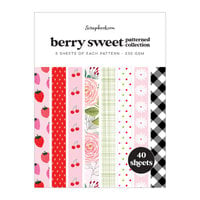
Patterned paper → backgrounds, layering, accents
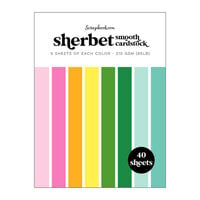
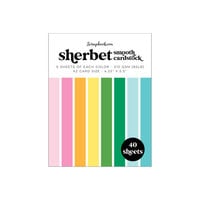
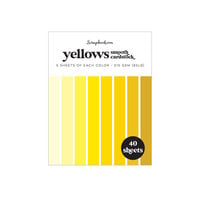
Cardstock → bases, mats, die cuts, sturdy layers
Vellum → soft overlays, sentiments, delicate layers
Acetate → shaker cards, windows, transparency overlays
Kraft → rustic layers, tags, packaging-style accents
Chipboard → album covers, thick embellishments, structure

Where to start
If you’re just starting, you don’t need everything. Here are solid “starter choices” based on what you want to make:
If you’re scrapbooking (12x12 layouts)
→ Start with 12x12 patterned paper (pads or coordinated packs)
→ Add 12x12 cardstock for sturdy bases and photo mats
→ Sprinkle in vellum or acetate later for special effects
If you’re making cards
→ Start with cardstock (for card bases and die cutting)
→ Add a coordinating paper pad for easy card fronts and layering
If you don't want to invest in too much paper right at once
→ A beginner-friendly product-focused guide to why smaller pads are so useful (layering, card fronts, photo mats, less waste): 5 Reasons You Need These Paper Pads
If you want to keep your paper from taking over your life (relatable)
→ For storage options (vertical vs. stacked), sorting methods (color, theme, brand, mood), and real-life setup examples, head to this article: How To Organize & Store Your Scrapbook Paper
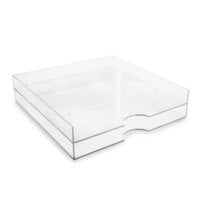
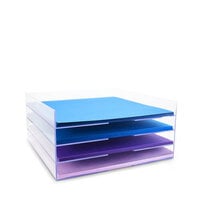
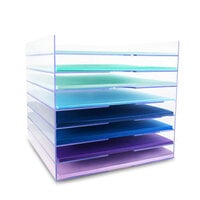
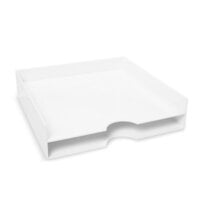
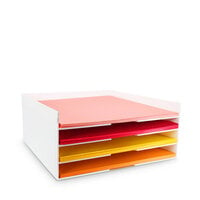
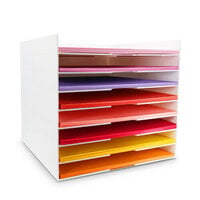
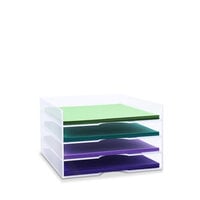
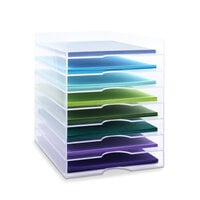
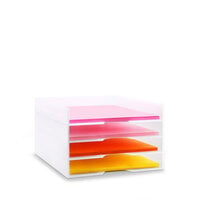
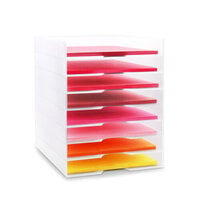
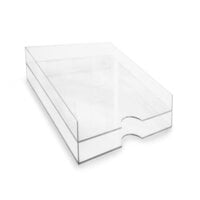
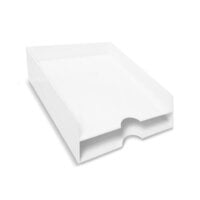
→ Popular go-to storage solutions for scrapbook paper include the Stackable Paper Trays from Scrapbook.com in clear or white. The trays come in two sizes: 8.5x11 or 12x12.

Learn More
Scrapbooking paper isn’t “just paper," it’s the foundation of your layouts, cards, and keepsake projects. Once you understand a few basics (type, finish, and weight), you’ll shop more confidently and enjoy the creative process a whole lot more.
And the best part? You don’t have to learn it all at once. Use this guide as your home base and click into the deeper articles whenever you’re ready.
Everything You Need to Know About Paper
Your Guide to Paper Weight, Thickness & GSM for Crafting
How To Organize & Store Your Scrapbook Paper
5 Reasons You Need These Paper Pads