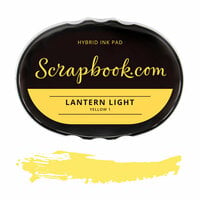
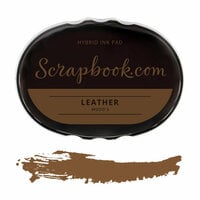
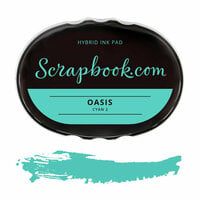
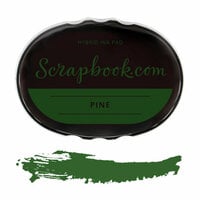
There are so many ink pads on the market! Dye inks, pigment inks, hybrid inks, chalk inks, solvent inks, etc. It’s totally normal for crafters to wonder: “Which ink do I actually need?”
Don’t worry. This guide breaks down each major ink type, explains what makes them different, and helps you choose the right ink for your project.
Quick Comparison Chart  Dye Ink
Best for: everyday stamping, ink blending, cardmaking
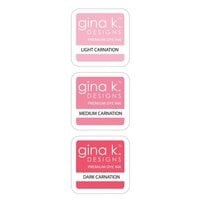
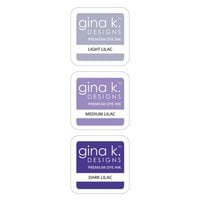
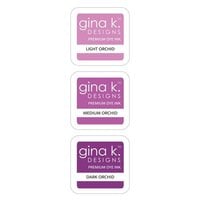
Brands: Distress Ink, Altenew Fresh Dye, Concord & 9th Ink Cubes, Gina K Ink Cubes, Simon Hurley Stellar Inks, Lisa Horton Ink Pads, Ranger Ink/49 & Market Ink Pads, Catherine Pooler Inks
Dye inks soak into the paper, which makes them:
- fast drying
- crisp for detailed stamps
- great for watercolor and blending
- perfect for repeated stamping
They usually look lighter on paper than they do in the pad because the color sinks in.
When to choose dye ink?
You want easy, fast, everyday stamping and smooth blends.
When not to use dye ink:
- On dark paper (the color disappears)
- When you need embossing
- On non-porous surfaces

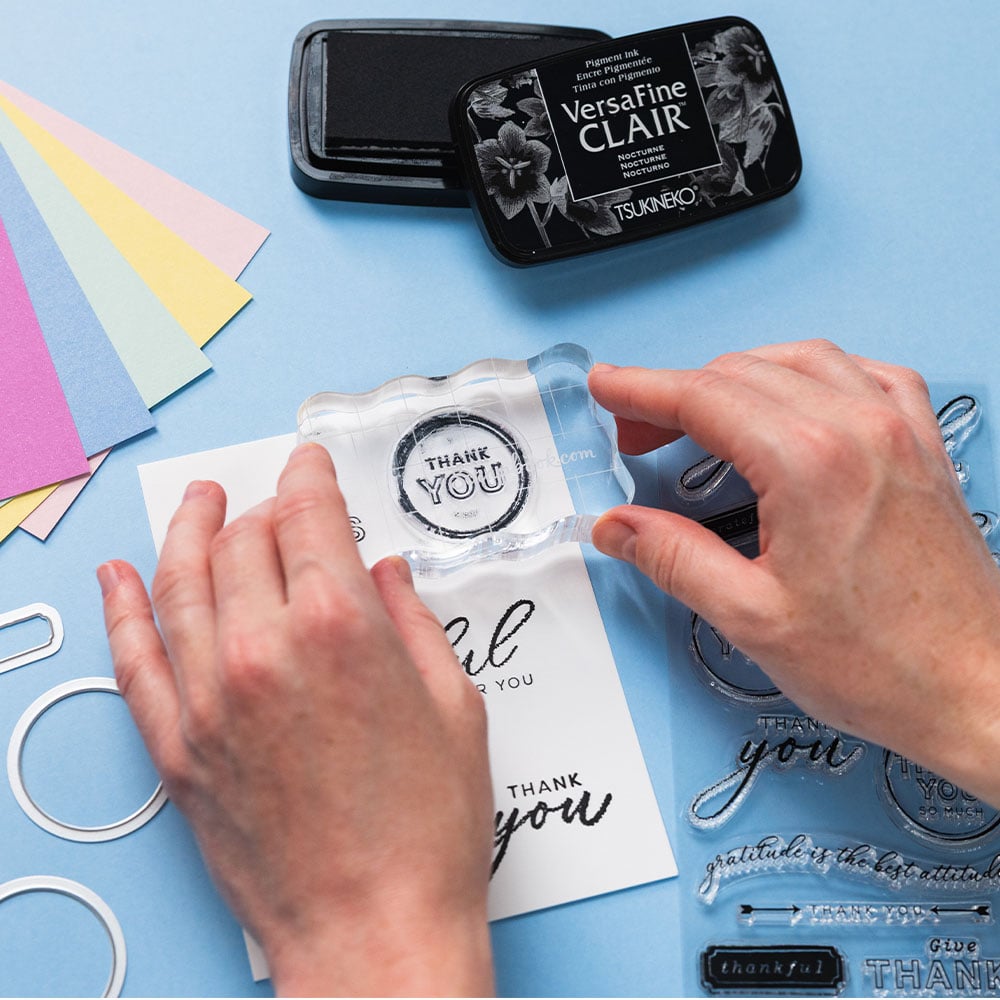
Pigment Ink
Best for: embossing, stamping on dark cardstock, bold opaque images
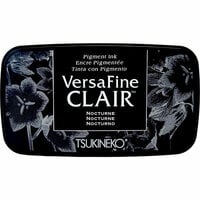
Brands: Tsukineko (VersaFine)
Pigment inks sit on top of the paper, not inside it. That means:
- slow drying
- rich, opaque color
- excellent for heat embossing
- shows beautifully on dark cardstock
When to choose pigment ink?
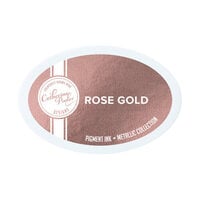
You want opacity, embossing, or super bold stamping. Many metallic ink pads use pigment ink.
When not to use pigment ink:
- When you’re in a hurry
- On glossy paper (unless heat set)
- For detailed images that require no-smudge handling
Hybrid Ink (Dye + Pigment Combo)
Best for: crafters who want one ink that “does it all”
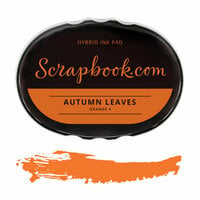
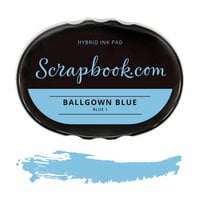
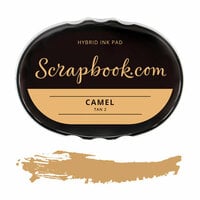
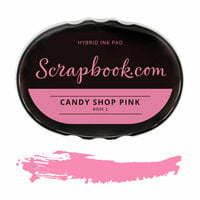
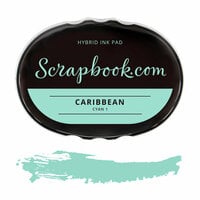
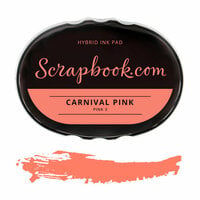
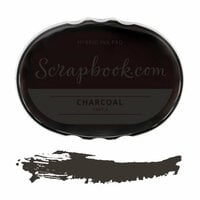
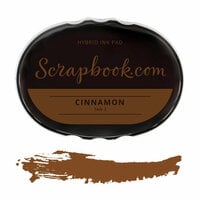
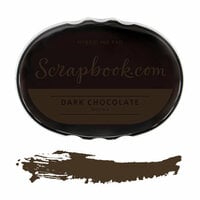
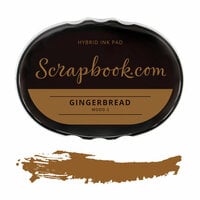
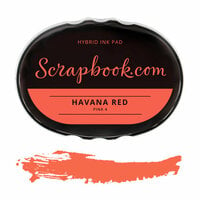
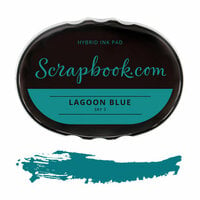
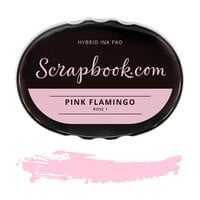
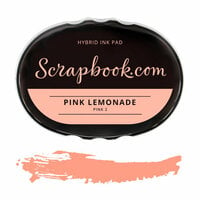
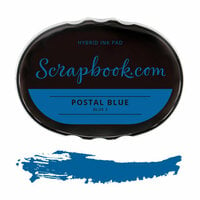
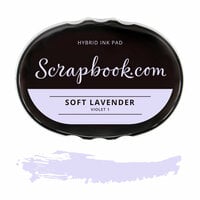
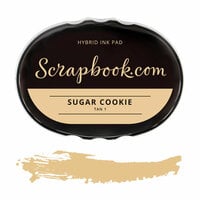
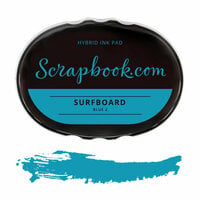
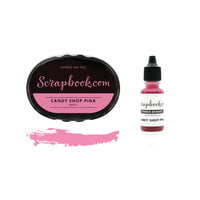
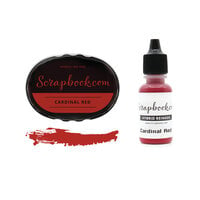
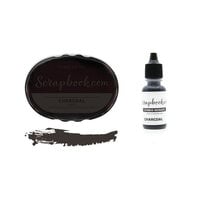
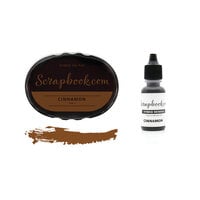
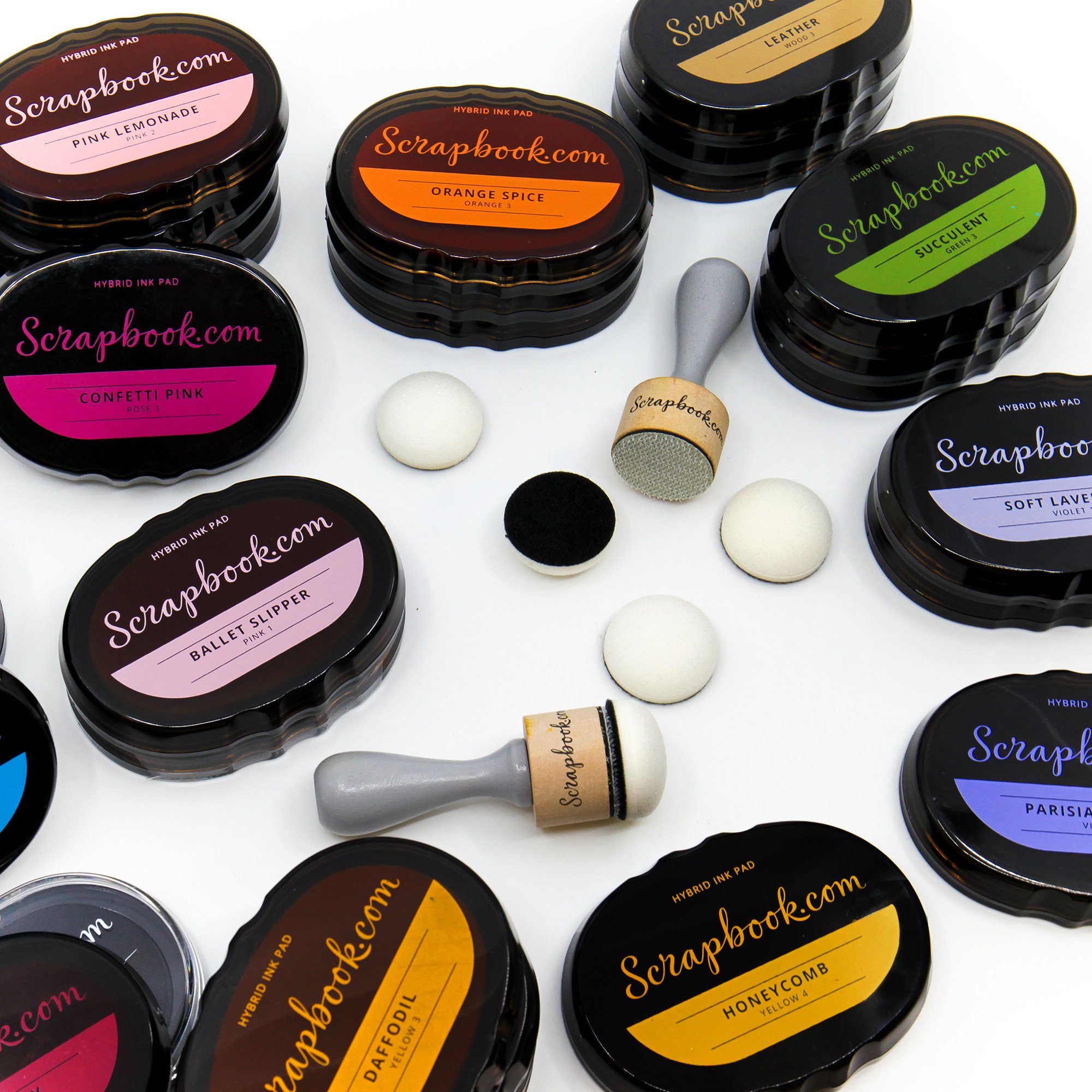
Brands: Distress Oxides, Scrapbook.com Hybrid Ink
Hybrid inks combine the best parts of dye and pigment:
- faster drying than pigment
- more vibrant than dye
- embossable when inked heavily
- works on many surfaces
Why choose hybrid ink?
You want one ink line that works for everything including stamping, blending, and embossing.
Distress Ink vs. Distress Oxide
These deserve their own category because crafters use them constantly.
Shop Distress Inks and Distress Oxides
Distress Ink
- dye-based
- bright, translucent color
- extremely water-reactive
- perfect for vintage, splatters, and watercolor
Distress Oxide Ink
- dye + pigment blend
- soft, chalky, opaque finish
- blends effortlessly
- shows on dark paper
- reacts with water in milky, magic ways
Why choose Distress?
You want special effects like blending, splattering, smooshing, water lifts, texture, backgrounds.

Watermark & Embossing Ink
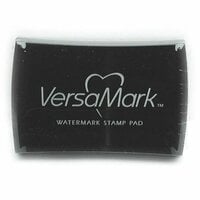
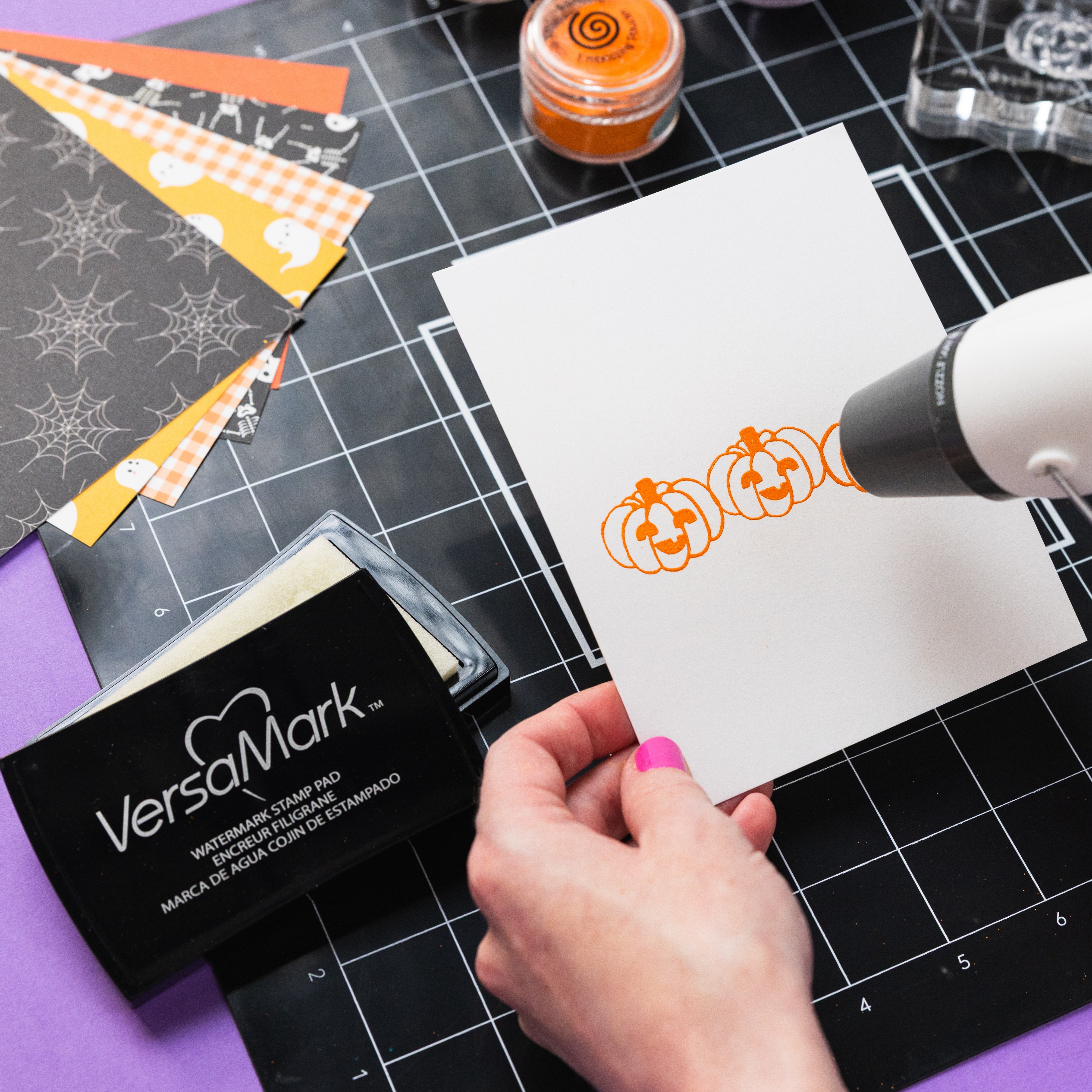
Embossing ink, also called watermark ink, is a thick, sticky, clear ink designed to grab embossing powder so it can be melted with a heat tool.
Best for: heat embossing, resist techniques, tone-on-tone effects
Brands: VersaMark, Ranger Clear Resist
What makes embossing ink unique?
-
slow drying (on purpose!)
-
very sticky
-
stamps cleanly
-
perfect for holding embossing powders
- used for foiling with certain systems
- usually clear/invisible, sometimes tinted (to guide stamping)
Note: Embossing Ink is not Embossing Powder
Embossing ink is the sticky stuff, embossing powder is the meltable powder. You must have both for heat embossing.
Specialty Inks
Metallic Ink
- shiny, shimmery stamped results
- works on light or dark paper
- many are pigment-based
Examples: Catherine Pooler Metallic Inks Collection, Lisa Horton Crafts Metallic Ink
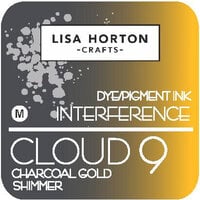
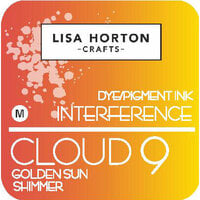
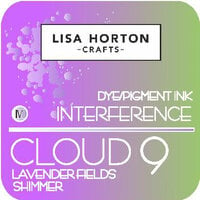
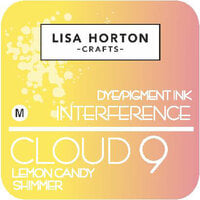
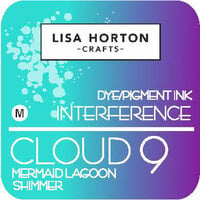
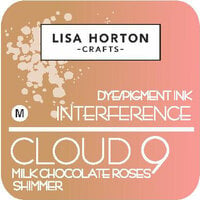
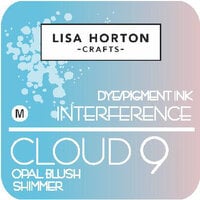
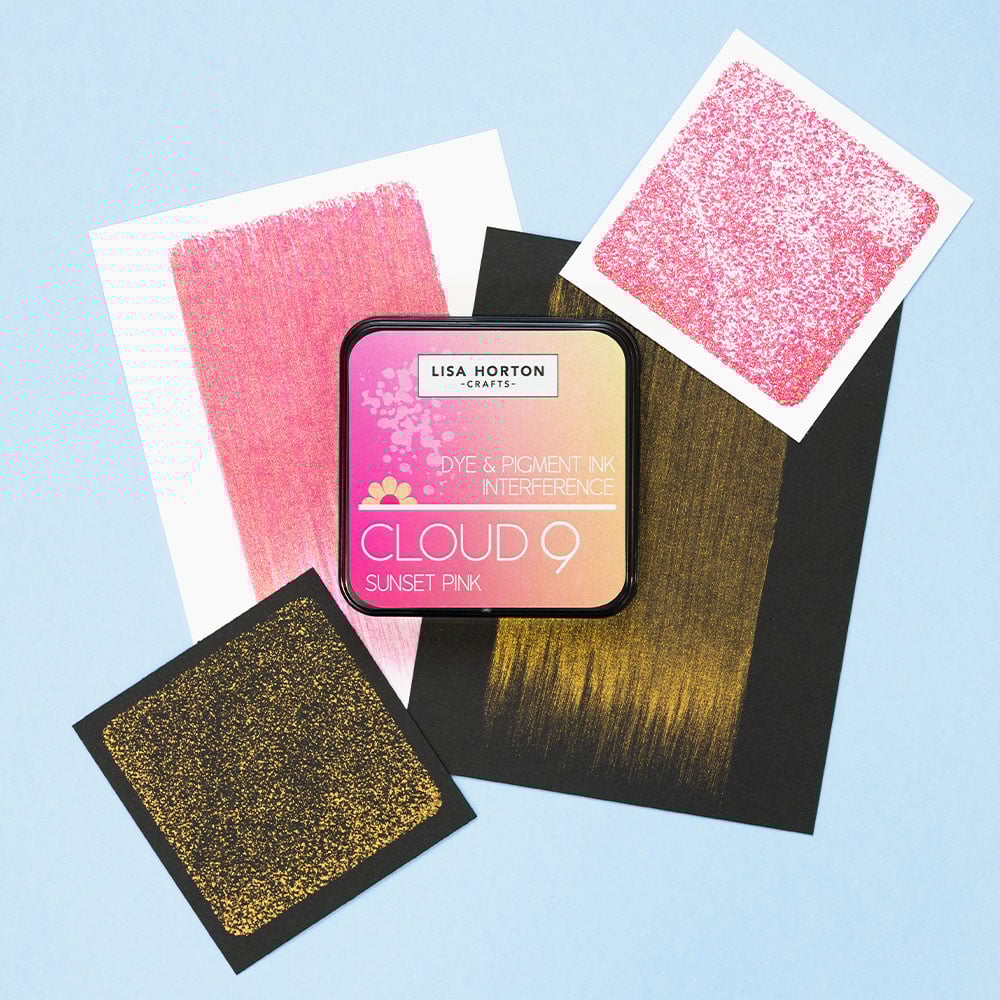
Mica / Interference Ink
- pearlescent or color-shifting sheen
- shows best on dark paper
Examples: Lisa Horton Crafts Interference Ink Pads
Are all of these inks water-based?
Most craft inks you see today are water-based, meaning the color is suspended or dissolved in a water solution, not oil or solvent.
But not all water-based inks behave the same way. Here’s what that means for you:
Dye Inks → water-based • soak into paper • dry fast
Pigment Inks → water-based • sit on top of paper • dry slowly
Hybrid Inks → water-based • behave like dye + pigment
Distress & Distress Oxide → water-based • extremely water-reactive
Chalk, Metallic, and Mica Pigment Inks → water-based • opaque finish
Archival Ink → not water-based (oil-based dye)
Why this matters:
If an ink is water-based, it will react with water. This means you can blend it, splatter it, and lift color from it. But it also means it might smear if you watercolor over it unless it’s an archival formula.
Simple rule:
Watercolor OVER an image → use archival ink
Watercolor WITH an ink pad → use dye or Distress
Want to emboss? → use pigment or watermark
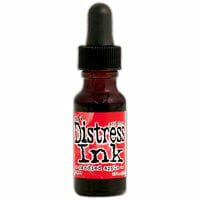
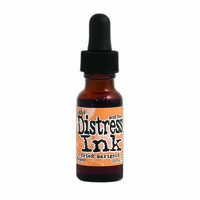
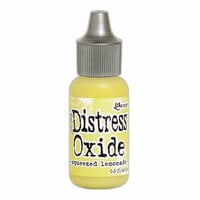
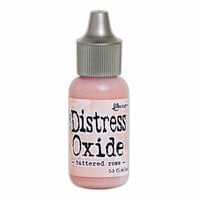
The Importance of Reinkers
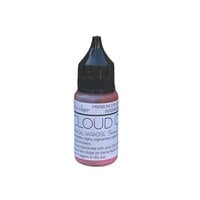
As you've seen from this extensive, information-packed article, there are endless types of ink pads to use in your creative journey. But what good are ink pads if you use up all the amazing ink contained within them? Turn your frown upside down when you arm yourself with must-have reinkers for all your favorite ink pads!
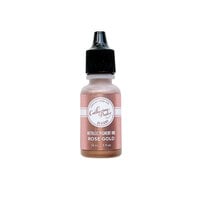
Reinkers keep your ink pad juicy, even, long-lasting, and perfect for watercoloring. A single refill bottle can maintain your ink pad for years!
When your ink pads are getting a little dried out and need freshening up, reach for the reinkers that you've stored in your .5 oz ColorCase. The ColorCase was designed to fit over a dozen popular brands' .5 oz bottle reinkers, including Tim Holtz Distress Oxide Reinkers, Ranger Archival Ink Reinkers, Scrapbook.com's Hybrid Ink Reinkers, and more!
 You'll never have to search for that one right color for your ink pad in need of some refreshment when you have all your reinkers arranged in the ColorCase! You can even turn the bottles right-side up while you work; the ColorCase will hold your bottles for you as you're reinking one or all of your pads!
Need a fantastic walkthrough on reinking your ink pads? Check out this helpful video from Scrapbook.com:
Recommended Reads & Videos
If you're excited to dive deeper into ink techniques, blending styles, and different ink brands, here are some of our most helpful resources:
These guides break down specific ink lines, blending tools, and organization systems:
Catherine Pooler Ink Pads: The Complete Guide for Papercrafters
Lisa Horton Ink Pads: A Practical Guide for Crafters
Simon Hurley vs. Stellar Ink: Which Ink Pad Should You Choose?
How to Choose the Perfect Ink Blending Tool (For You)
Why You Need Domed Foam for Ink Blending
How to Create Ink Swatches for Better Organization
What You Need to Know Before You Buy Distress Inks and Oxides
5 Secrets to Blending Distress Ink
How to Organize Inks, Ink Pads, Mists & Embossing Supplies
If you want to see the techniques mentioned in this article in action, these Scrapbook.com videos are fantastic! They'll walk through how to create smooth and soft blends, ink smushing, direct-to-paper techniques, stamping, and more!